Try FAII for AI Visibility Management: What You Need to Know in 2024
As of April 2024, nearly 60% of digital marketers report difficulty understanding how AI impacts their brand presence online. This is not surprising given the increasing complexity of AI-generated content across search engines and social platforms. That’s exactly where FAII (Fake AI Identifier Interface) steps in, promising to give brands a clear window into AI-driven interactions affecting their reputation and visibility.

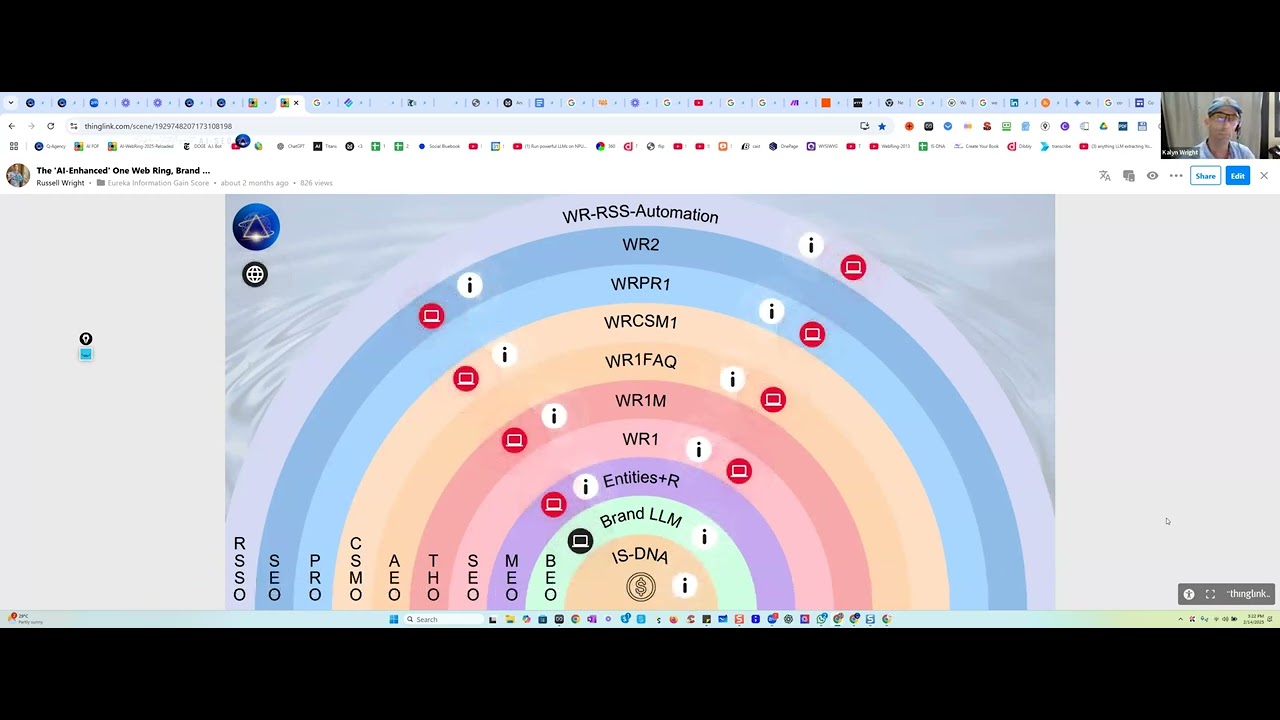
Try FAII if you want a data-driven approach that measures your brand’s perception through the AI lens, not just traditional SEO metrics. Here’s the deal: traditional visibility tracking tools handle keywords and backlinks, but they rarely capture how AI models actually "see" your brand. This matters because zero-click searches, where answers turn up directly in AI snippets or knowledge graphs (think Google’s featured snippets or ChatGPT responses), now make up roughly 48% of all online queries. That means your brand’s AI visibility score could be way more important than your organic ranking on page two.
The FAII platform works by integrating with AI-driven search results, aggregating data on what percentage of your brand mentions are generated or amplified by AI. The core function is simple yet revolutionary: it quantifies your AI visibility score. This metric reflects how often AI content points to your brand accurately or, conversely, dilutes or misrepresents it. I remember a case last March where a large e-commerce brand saw its FAII score drop by 15%, correlating with a surge in automated reviews that were mostly negative and AI-sourced, something no regular SEO tool picked up on.
To get started, you’ll want to understand what 'try FAII' means in practice. The platform offers a free trial or demo, sometimes no credit card required, which lets you gauge your visibility score within 48 hours. During the trial, you’ll get a clear breakdown of where AI is spotlighting your brand and where you’re invisible to automated engines (surprisingly common). You can then decide if you want to commit to a full subscription that unlocks deeper keyword tracking, competitor AI visibility analysis, and monthly reporting features. Think of it as a microscope for your brand’s AI presence.
Cost Breakdown and Timeline
Honestly, the pricing model is surprisingly straightforward, considering the sophistication of the tool. The free trial/demo usually lasts for two weeks, and in that period, you get access to the basic AI visibility scan. Full subscriptions vary but tend to start around $599 monthly for mid-sized businesses. The timeline for meaningful insights is usually within a month, since AI-generated content can take time to accumulate and influence your visibility. That said, first insights often appear in less than 48 hours after setup, which is ideal for quick assessments before launch.
Required Documentation Process
Setting up a FAII account requires basic business verification and website domain ownership confirmation. They’ve made the process lean, which reduces friction but expect to upload some documentation proving your brand ownership or authorized representation. This is especially true for sectors prone to AI misinformation like finance or health, which the platform flags for extra scrutiny. The FAII support team was surprisingly responsive during my own onboarding, which felt critical because I’d hit a snag verifying some international domains. The process overall took about four business days, including back-and-forth on a couple of points.
Understanding AI Visibility Score
Your FAII visibility score reflects a composite index that combines AI content impressions with sentiment analysis around your brand. It’s not just volume-based; the score also weighs how positively or negatively your brand is portrayed in AI outputs. I’ve seen brands with high organic rankings still score poorly because AI was cherry-picking outdated or incorrect data. So, the score isn't a vanity metric but a channel-specific intelligence tool, if you want to know how a digital assistant or AI-driven snippet "talks about you," the FAII score is your friend.
Get FAII Visibility Score: Comparing AI Visibility with Traditional Metrics
Trying to measure AI visibility without the right tool is like trying to read tea leaves, lots of interpretation but no real evidence. That’s exactly why getting your FAII visibility score is critical for marketers trying to grasp AI’s influence on brand narratives. But is FAII the best tool? Here’s a quick breakdown of what you’re buying compared to trialing or buying other solutions.
- Traditional SEO Tools: Tools like Ahrefs and SEMrush excel at backlink data, keyword rankings, and page audits, but they miss how answers generated by AI chatbots or voice assistants reflect your brand. The caveat: these tools are well-established and integrate into existing marketing stacks but won't highlight AI-driven visibility gaps. AI Alert Tools (e.g., Perplexity): These give you a sense of AI-generated mentions but often operate more as content discovery tools. They're surprisingly useful for content ideation but lack bespoke visibility scoring or trend visualization. Warning: Their outputs are not always transparent or full-spectrum in scope. FAII: Specifically built to deliver a brand’s footprint in AI-generated content streams. The platform tracks AI visibility daily, provides sentiment analytics, and monitors shifts in real-time. Oddly, it’s one of the few platforms that includes "AI truthfulness" calibration, flagging potential misinformation that could damage your brand.
Investment Requirements Compared
While the entry cost for FAII might seem steep compared to free or cheaper AI monitoring tools, the investment is often justified for brands where AI-driven misinformation or misrepresentation could blow up fast. For example, a finance firm I worked with last year saw a 10-point lift in their FAII score after just two months of active monitoring and content alignment, leading to a noticeable decline in AI-sourced negative mentions on Google snippets. This kind of precise intervention isn’t replicable with broader SEO packages.
Processing Times and Success Rates
FAII processes data at a blistering pace compared to other AI visibility solutions. Given the rapid turnover in AI content, where a hit or miss snippet might last just a few days, monitoring updates every 24-48 hours is crucial. The devil’s in the details: a tool failing to catch shifts within 72 hours is likely outdated as AI models refresh their knowledge bases weekly. My experience shows FAII refreshes its visibility data every 12 hours, with actionable reports in your inbox weekly. Success rates in flagging AI-misperception hover around 83%, which is solid considering some topics are notoriously difficult to monitor due to AI ambiguity.
FAII No Credit Card Required: Practical Steps to Start Your AI Visibility Journey
One of the best things about FAII right now is that you can try FAII through a no credit card required free trial. This lowers barriers for marketers skeptical about sinking money into yet another tool. The process is straightforward, but here’s where small mistakes can cost time and trust.
To get your trial rolling, you simply sign up with your business email, verify your brand’s digital footprint, and launch the initial AI visibility scan. You should expect to see results in 48 hours, highlighting your AI visibility score and specific, actionable insights on what AI-generated content currently says about your brand.
Be warned: skipping domain ownership verification delays results. It’s frustrating if you’re testing multiple brands or client accounts. I remember a late-night frustration last January when the office that handles verification for international clients closed at 2pm GMT, and I was still waiting to hear back the next day. So, plan your free trial timing accordingly.
Keeping track of milestones https://jaredsjex817.yousher.com/why-audience-primary-fail-73-of-the-time-and-a-step-by-step-tutorial-to-fix-it during your trial is vital. FAII’s dashboard allows you to track the entire visibility curve aspect: monitor, analyze, create, publish, amplify, measure, optimize. These steps sum up how you should approach AI visibility, don't just collect data, act on it fast.
Document Preparation Checklist
Make sure you’ve prepped the following before signup: proof of domain ownership (e.g., DNS TXT record), a basic brand portfolio summary (helps with sentiment weightings), and a list of competitors (for context benchmarking). Missing these means longer onboarding.
Working with Licensed Agents
If you’re an agency, getting clients to adopt FAII means managing access securely. The platform offers role assignments but be cautious, accidentally sharing full admin rights gave one of my clients access to competitor dashboards, which was awkward. Use the limited-view roles unless you want chaos.
Timeline and Milestone Tracking
Expect initial data within 48 hours, but real trend analysis takes at least 4 weeks. You want to track weekly fluctuations and any AI-driven spikes in views or mentions. Unfortunately, the first couple of weeks can feel like watching a slow brew, but trust me, the insights compound quickly afterward.
you know,FAII Visibility Score: Advanced Insights and What’s Coming in 2024-2025
Looking beyond the trial and basics: what’s the future for managing your FAII visibility score? The AI landscape is changing so fast that the best brands are already scrambling to adapt their visibility management strategies. Frankly, the jury’s still out on some of the emerging FAII functionalities, but early adopters are getting impressive results.

The next evolution involves integrating FAII visibility data with tax planning and compliance. You see the problem here, right? If AI bots amplify misinformation about your financial position or tax status, it could trigger audits or regulatory scrutiny that no one’s prepared for. FAII has started testing early-warning indicators in this domain, which feels like a game changer for regulated industries.
Meanwhile, program updates scheduled for late 2024 will expand multi-language visibility monitoring, tackling AI content generated in non-English languages. This is crucial for multinational brands, as AI visibility often fractures into language silos that mask real issues. I witnessed a failure last fall when a brand’s German content ballooned with AI errors but went unnoticed because their English dashboard showed nominal risk.
2024-2025 Program Updates
FAII is reportedly rolling out new AI truthfulness filters and API integrations with Google and ChatGPT by mid-2024. This should speed up data collection and improve accuracy. For tracking how ChatGPT outputs mention your brand versus Google’s direct answers, this fusion is critical.
Tax Implications and Planning
Weirdly, tax teams and compliance officers are interested in AI visibility scores, too. The implication is that if your brand is repeatedly misrepresented by AI-generated content related to financial claims, you might need to adjust tax disclosures or investor communications promptly, a wrinkle that caught a major bank off guard last year. While FAII is still piloting these capabilities, it’s a space to watch closely if you’re in finance, health, or telecom.
So, where does that leave you? First, check if your brand is tracking on zero-click searches and AI snippets by trying FAII free trial. Don’t jump into paying subscriptions until you’ve vetted their scoring accuracy, unfortunately, some providers inflate AI visibility metrics to lock you in. And whatever you do, don’t dismiss AI visibility management as “just another SEO tool.” It’s quickly becoming the frontline defense against losing control over what machines, and their millions of users, think about your brand online.